Why Your Home’s Comfort Depends on the Right HVAC Installation
New HVAC system install is one of the most important investments you can make for your home’s comfort, energy efficiency, and value. Whether you’re replacing an aging system or upgrading for better performance, understanding the installation process helps ensure you get the best results.
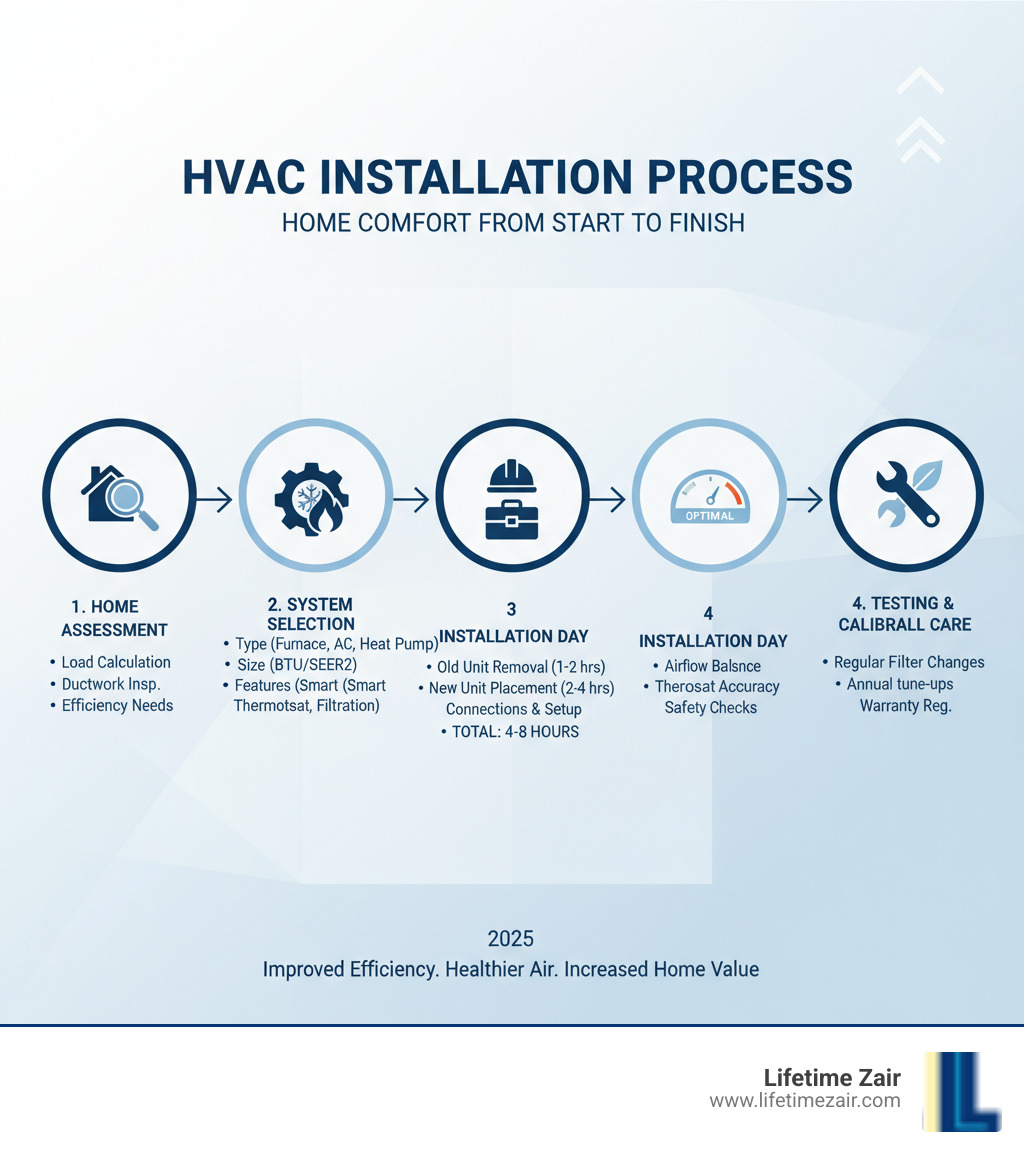
Key Steps for New HVAC System Installation:
- System Selection – Choose the right type and size for your home
- Professional Assessment – Load calculations and home evaluation
- Installation Day – Safe removal of old equipment and professional setup
- Testing & Calibration – Ensuring optimal performance and efficiency
- Post-Installation Care – Regular maintenance for longevity
A properly installed HVAC system does more than just heat and cool your space. It improves indoor air quality, reduces energy bills, and increases your home’s value. Most installations take between 4 to 8 hours for standard replacements, though complex projects may require additional time.
Modern HVAC systems offer significant advantages over older models. Replacing a system that’s more than 10 years old with a higher SEER2 model can save up to 20% on heating and cooling costs. Additionally, new systems provide better humidity control, quieter operation, and smart home integration capabilities.
The installation process involves careful planning, precise execution, and thorough testing. Professional installation is essential – it ensures safety compliance, maximizes efficiency, and protects your manufacturer’s warranty.
Choosing the Right HVAC System for Your Home
Selecting the right HVAC system is a significant investment in your home’s comfort for the next 15-20 years. A new HVAC system install requires careful consideration, so let’s walk through what you need to know.
System Types
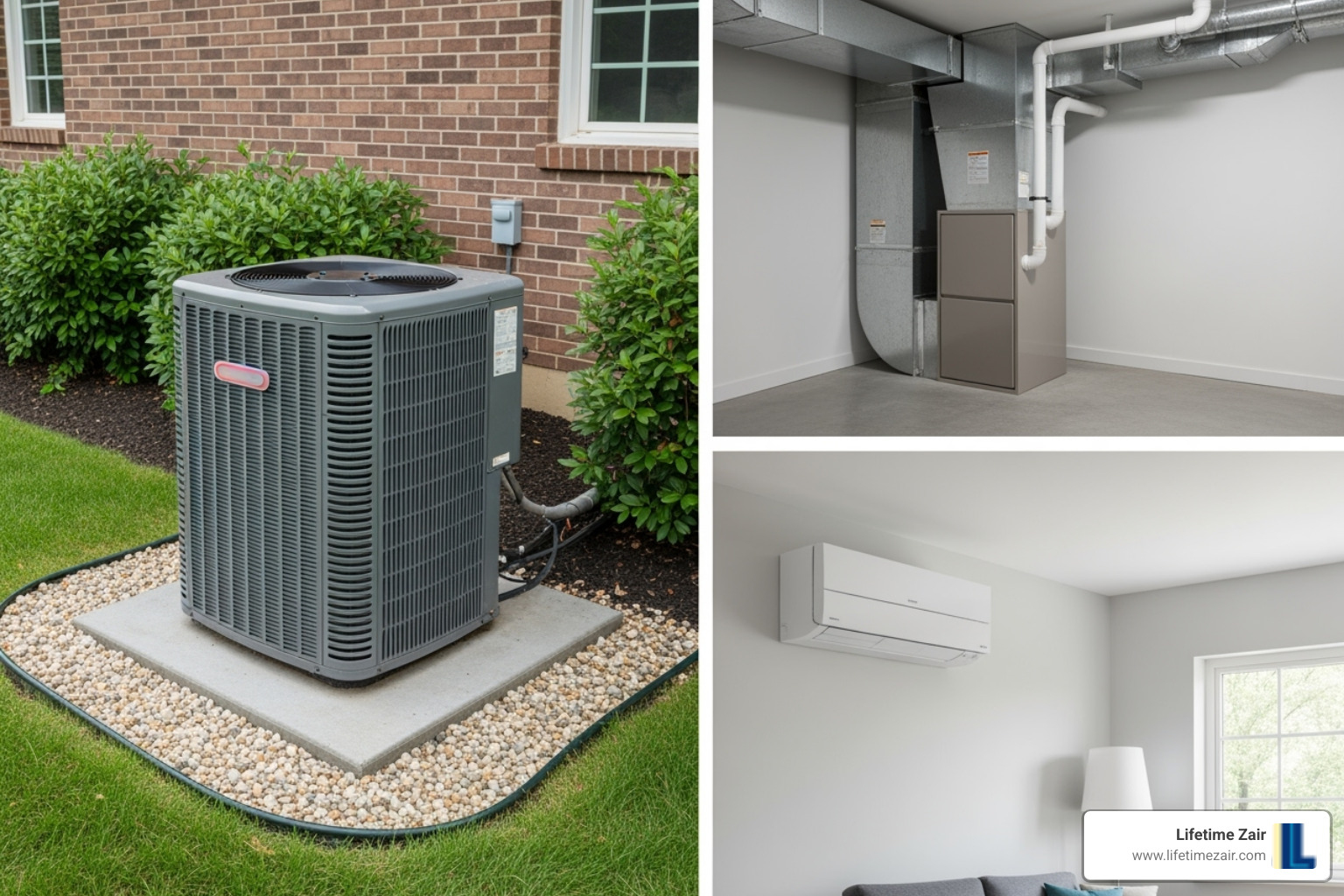
Your home’s layout determines the best system type. Central air conditioners and furnaces are the most popular choice, with furnaces running on natural gas, propane, or electricity to handle Texas winters. Heat pumps are highly efficient all-in-one systems that both heat and cool by transferring heat, making them ideal for our mild winters. For homes without existing ductwork, ductless mini-splits offer precise, room-by-room temperature control. Packaged units combine all components into one outdoor unit, saving indoor space.
Sizing and Load Calculation (Manual J)
Bigger isn’t always better for HVAC systems. Manual J load calculations are the professional standard for proper sizing, preventing issues caused by oversized or undersized units. This detailed assessment considers your home’s square footage, insulation, window efficiency, and local climate. An improperly sized system runs inefficiently, struggles with humidity control, and wears out faster. Proper sizing is key to comfort and long-term savings.
Energy Efficiency Ratings (SEER2, AFUE, HSPF2)
Energy efficiency ratings are your roadmap to long-term savings. SEER2 ratings measure cooling efficiency—the higher the number, the more efficient your system. Upgrading from an older system to a higher SEER2 model can slash your cooling costs by up to 20%.
AFUE ratings apply to furnaces and tell you how much of your fuel actually heats your home. A 90% AFUE rating means 90 cents of every dollar spent on fuel goes directly to keeping you warm.
HSPF2 ratings work similarly to SEER2 but measure heating efficiency for heat pumps. Higher numbers mean better efficiency and lower operating costs.
The benefits of ENERGY STAR certified systems go beyond just efficiency—these systems meet strict guidelines that can significantly reduce your environmental footprint while saving money.
Smart Thermostats
Adding a smart thermostat to your new HVAC system install is like giving your home a brain. These devices learn your routines and adjust temperatures automatically, saving 10-15% on annual energy bills. You can even change the temperature from your phone before you arrive home. Most modern HVAC systems are designed to work seamlessly with these smart controls.
Indoor Air Quality (IAQ) Improvements
A new installation is the perfect time to improve your home’s air quality. Consider adding components like air purifiers to remove allergens, humidity control systems to maintain ideal moisture levels (30-50%), UV lights to neutralize germs in ductwork, and advanced filtration systems with high-MERV filters to capture the smallest particles for cleaner, healthier air.
Fuel Source Options
The fuel for your heating system impacts your monthly bills. Natural gas is often the most economical choice in our area, providing powerful heat. Electric systems, especially heat pumps, are highly efficient as they move heat rather than creating it. Propane is a reliable alternative where natural gas is unavailable. We can help you evaluate the best option based on availability and local utility rates.
The Essential Steps of a New HVAC System Install
Getting a new HVAC system install doesn’t have to be stressful when you know what to expect. We’ve refined our installation process over years of experience, and we’re excited to walk you through how we transform your home’s comfort system.
Think of your installation in three phases. The pre-installation phase sets the stage, where we gather all the information needed for success. Installation day is the main event, where your new system comes to life. The final act focuses on testing and teaching, ensuring everything works perfectly and you know how to enjoy your investment.
The Pre-Installation Phase: What to Expect
This preparation phase ensures your new HVAC system install goes smoothly. Our team performs a thorough home evaluation, examining your current system, ductwork, and insulation. We then conduct a load calculation using the Manual J method to determine the precise power your home needs. After confirming the system selection with you, we’ll handle scheduling the installation at a convenient time and discuss the process in detail, so you know the timeline and what to expect.
The Day of Your New HVAC System Install
On installation day, our team works efficiently and respectfully. We start by protecting your home with drop cloths on floors and furniture. The safe removal of old equipment follows, including the proper recovery of refrigerants per EPA regulations. We then proceed with setting the new outdoor condenser on a level surface with proper clearance and installing the indoor air handler or furnace. Finally, our certified technicians handle all connections, including refrigerant lines, electrical wiring, and condensate drains, ensuring everything is secure and up to code.
Finalizing the New HVAC System Install: Testing and Handover
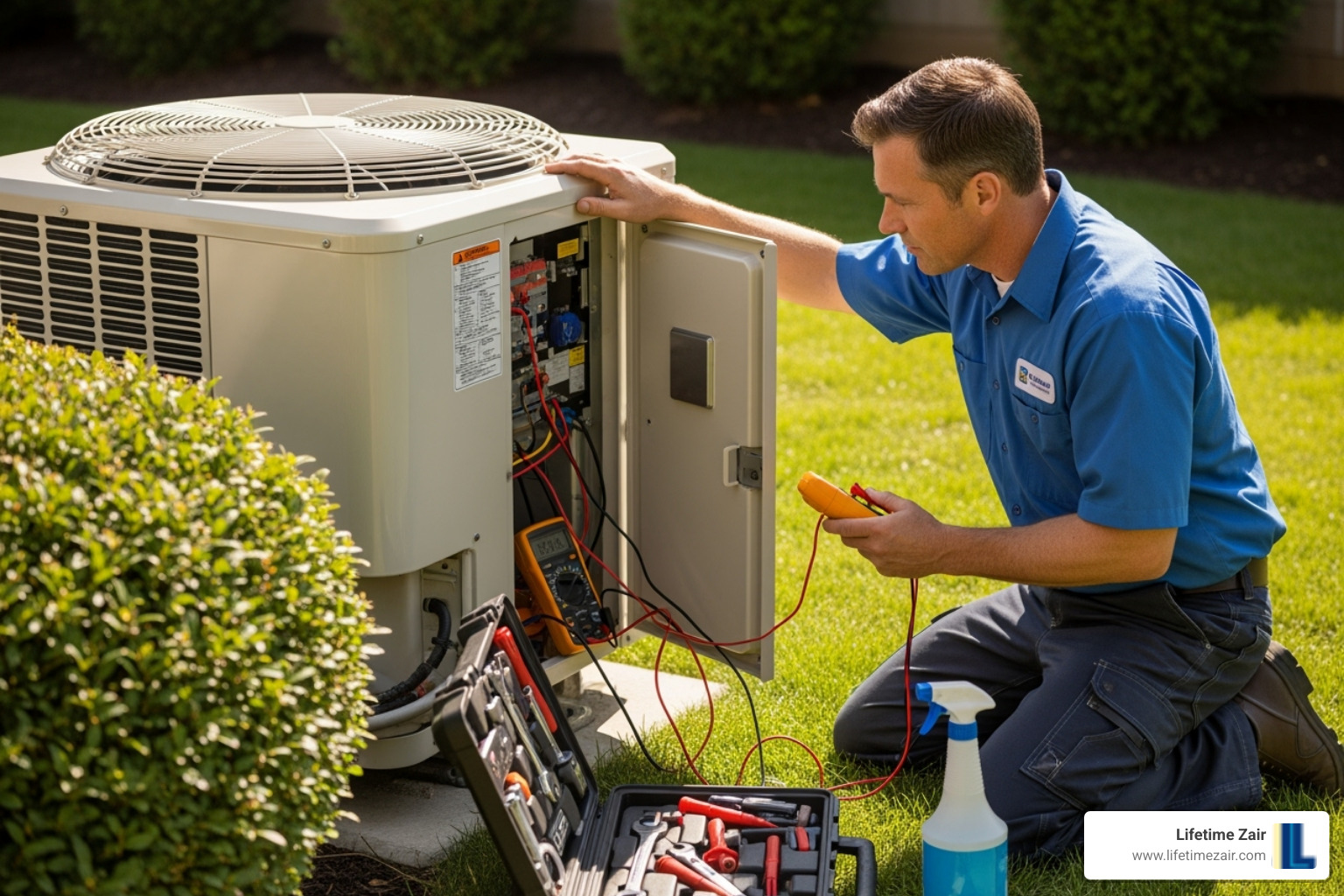
This final phase is crucial for long-term satisfaction. We begin by charging the system with refrigerant to the manufacturer’s exact specifications and performing leak checks on all connections. Next, we verify proper airflow and temperature differential to confirm the system is heating and cooling effectively. We then calibrate the new thermostat, ensuring it’s programmed correctly and connected to Wi-Fi if it’s a smart model. The process concludes with a final walk-through to explain system operation. We’ll show you how to use your thermostat, discuss basic maintenance, and answer all your questions so you feel confident with your new system.
Why Professional Installation is Non-Negotiable
When it comes to a new HVAC system install, there’s really no room for shortcuts or DIY attempts. Think of it this way: you wouldn’t perform surgery on yourself, and installing an HVAC system involves similar precision and expertise. The difference between professional and amateur installation can be the difference between years of reliable comfort and costly headaches.
Safety and Code Compliance
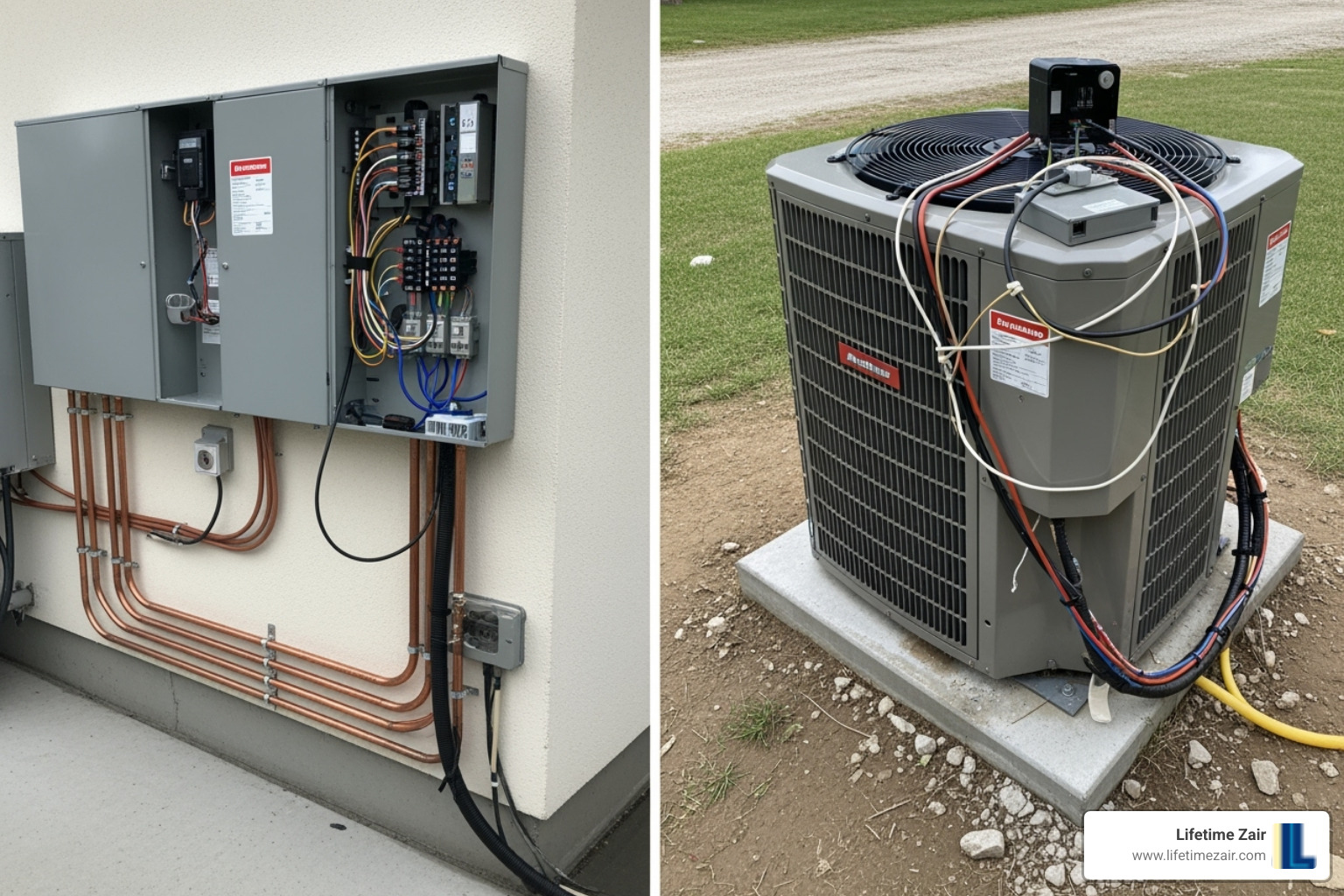
Your HVAC system isn’t just about comfort – it’s about safety. These systems involve electrical wiring that can carry 240 volts, natural gas lines under pressure, and refrigerants that require EPA certification to handle legally. One wrong connection could lead to gas leaks, electrical fires, or even carbon monoxide poisoning.
Our licensed technicians have spent years learning how to work safely with these potentially dangerous components. We know exactly which building codes apply to your installation, from proper ventilation requirements to correct electrical connections. We’re also certified to handle and dispose of refrigerants according to strict EPA regulations.
When you choose professional installation, you’re not just getting expertise – you’re getting peace of mind that your family’s safety comes first.
Maximizing System Efficiency and Performance
Here’s something that might surprise you: even the most efficient HVAC system on the market can lose up to 30% of its efficiency if it’s installed incorrectly. That’s like buying a luxury car and then driving it with flat tires.
Professional installation ensures your system performs exactly as the manufacturer intended. We verify that every connection is sealed tight, preventing energy loss through leaky ductwork or refrigerant lines. We check that airflow is balanced throughout your home, so no rooms are too hot or too cold. We calibrate your thermostat precisely, ensuring accurate temperature readings and optimal system control.
These details matter more than you might think. A properly installed system doesn’t just keep you comfortable – it keeps your energy bills reasonable and extends your equipment’s lifespan.
Protecting the Manufacturer’s Warranty
Most homeowners don’t realize this until it’s too late: nearly every HVAC manufacturer requires professional installation by a licensed contractor for their warranty to remain valid. Attempt a DIY installation or hire an unlicensed handyman, and you’ve just voided thousands of dollars in warranty protection.
When something goes wrong with a DIY installation (and unfortunately, something often does), you’re on your own for repair costs. Professional installation protects your investment and ensures you have full warranty coverage when you need it most.
The Importance of Proper Licensing and Insurance
At Lifetime Zair, we carry all the necessary licenses and certifications, including EPA certification for refrigerant handling and comprehensive liability insurance. This isn’t just paperwork – it’s your protection.
If an unlicensed contractor damages your property or someone gets hurt during installation, guess who’s financially responsible? You are. Our insurance coverage protects you from any potential damages or accidents that might occur during the installation process.
Our licensing also means we stay current with industry standards, safety protocols, and the latest installation techniques. We’re not just winging it – we’re following proven methods that ensure your system works perfectly from day one.
Long-Term Reliability
A new HVAC system install done right should give you decades of reliable service. When every component is installed correctly, properly balanced, and carefully calibrated, your system operates smoothly with minimal strain on its parts.
Professional installation means fewer emergency repair calls, consistent comfort year-round, and maximum lifespan from your equipment. It’s the difference between a system that serves your family reliably for 15-20 years versus one that starts giving you problems after just a few seasons.
The bottom line? Professional installation isn’t an expense – it’s an investment in your home’s comfort, safety, and value.
Post-Installation: Maximizing Your System’s Lifespan
Congratulations on your new HVAC system install! Now that you’re enjoying improved comfort, the next step is to ensure your investment continues to perform optimally for years to come. Proper care is key to protecting your investment.
The Importance of Routine Care
Regular maintenance isn’t just about fixing problems—it’s about preventing them entirely. A well-maintained system runs more efficiently, maintains better indoor air quality, and helps you avoid unexpected breakdowns. This consistent upkeep keeps energy bills from creeping up and extends the lifespan of your unit, saving you money and protecting your investment.
Following the Manufacturer’s Guidelines
Your new HVAC system comes with a detailed owner’s manual containing specific recommendations for your model, from filter specifications to maintenance schedules. Following these guidelines isn’t just good practice; it’s essential for keeping your warranty valid. Keep this manual in an easy-to-find spot and refer to it for personalized advice on getting the best performance from your system.
Basic Post-Installation Maintenance Checklist
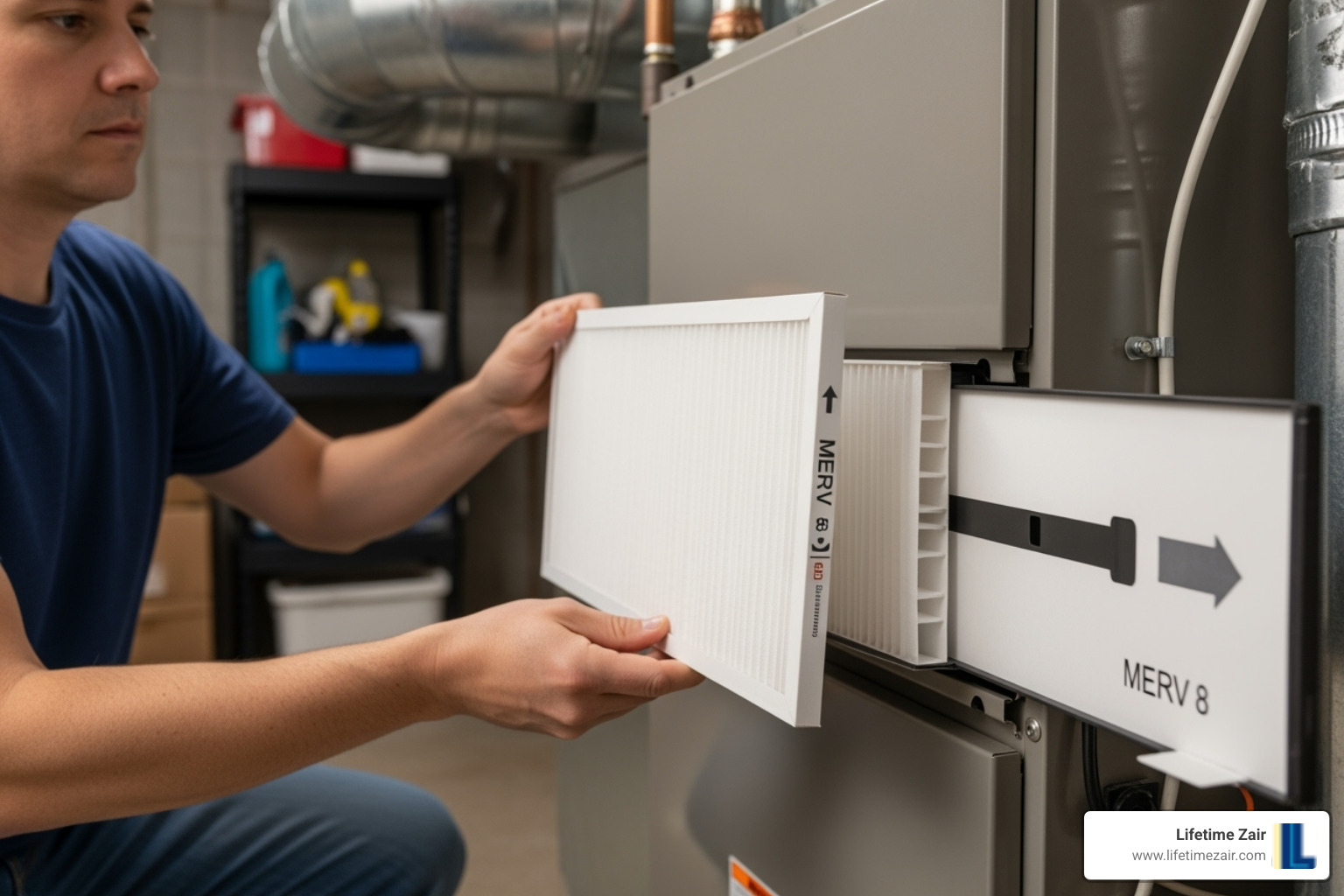
While professionals handle technical maintenance, there are simple tasks you can do. The most important is regularly replacing or cleaning your HVAC filters. Check your air filter monthly and replace it every 90 days—or more frequently if you have pets or allergies.
A clean filter ensures proper airflow and prevents dust from building up on internal components. Also, keep the area around your outdoor unit clear of debris like leaves and grass clippings to ensure adequate airflow. Finally, check your condensate drain lines and flush them with a vinegar solution every few months to prevent clogs and water damage.
Understanding Your New Thermostat’s Features
Learning your new thermostat’s features can significantly boost your comfort and savings. Program schedules that align with your family’s routine to avoid heating or cooling an empty house. Explore features like vacation modes and energy-saving settings that automatically adjust temperatures. Many smart thermostats also provide energy usage reports and allow you to control the system remotely through a smartphone app.
When to Schedule Professional Tune-Ups
Even with diligent homeowner maintenance, professional tune-ups are essential. We recommend scheduling a comprehensive HVAC inspection and tune-up at least once a year, ideally in the spring for your AC and in the fall for your heating system. During these visits, our technicians inspect electrical components, clean coils, check refrigerant levels, and lubricate moving parts. We also verify thermostat calibration and identify potential issues before they turn into expensive emergency repairs. Regular tune-ups will ensure your new HVAC system install provides reliable, efficient service for its entire lifespan.
Frequently Asked Questions about New HVAC Installations
We know that planning a new HVAC system install can feel overwhelming, especially when you’re not sure what to expect. That’s completely normal! Over the years, we’ve helped countless homeowners steer this process, and we’ve noticed the same questions come up again and again. Let’s address the most common concerns so you can feel confident moving forward.
How long does a typical HVAC installation take?
This is probably the question we hear most often, and for good reason – nobody wants to be without heating or cooling for longer than necessary! The good news is that a standard replacement often takes 4 to 8 hours. If you’re simply swapping out an old central air conditioner and furnace with similar equipment, our experienced team can usually have you back to comfortable living by the end of the day.
However, some projects are more complex and require additional time. New construction or complex retrofits may take longer – sometimes extending to multiple days. This might happen if your home needs new ductwork, electrical upgrades, or if we’re installing a completely different type of system than what you had before.
The key is communication. Your contractor will provide a specific timeline during the initial assessment. We believe in setting realistic expectations from the start, so there are no surprises on installation day.
When is the best time of year to install a new system?
Timing can make a big difference in your installation experience. Shoulder seasons (spring and fall) are ideal for several reasons. First, you won’t be left sweating or shivering while your old system is out and your new one is being installed. There’s nothing worse than replacing your air conditioner during a heat wave!
Milder weather and lower demand can lead to more flexible scheduling too. During peak summer and winter months, HVAC contractors are often swamped with emergency calls and urgent replacements. By planning ahead during these quieter seasons, you’ll have more options for scheduling that works with your family’s routine.
That said, we understand that sometimes systems fail when you least expect it. We’re always ready to help with emergency installations, but planning ahead during these off-peak times definitely makes the process smoother for everyone involved.
What does SEER2 mean and why is it important?
SEER2 stands for Seasonal Energy Efficiency Ratio 2. Think of it as your air conditioner’s report card for energy efficiency. This updated rating system is more stringent than the older SEER rating, giving you a more accurate picture of how your system will perform in real-world conditions.
It measures cooling efficiency by calculating how much cooling your system provides compared to how much electricity it uses over an entire cooling season. The higher the SEER2 rating, the more efficient your system is.
Here’s why this matters to your wallet: A higher SEER2 rating means greater energy savings, potentially up to 20% on cooling costs. If you’re replacing an older system that’s been struggling to keep up, you might be amazed at the difference in your monthly energy bills. It’s like trading in a gas-guzzling car for a hybrid – the savings add up quickly, especially during those hot summer months when your air conditioner is working its hardest.
When you’re comparing systems, don’t just look at the upfront price. A slightly more expensive unit with a higher SEER2 rating often pays for itself through lower energy bills over time.
Conclusion
Your journey through understanding new HVAC system install brings you to an exciting realization: you now have all the knowledge needed to make this important investment with confidence. We’ve covered everything from selecting the perfect system that matches your home’s unique needs to understanding why professional installation makes all the difference, and how proper maintenance keeps your investment running smoothly for years to come.
Think of your new HVAC system install as more than just replacing old equipment. It’s about changing your home into a comfortable sanctuary where the temperature is always just right, the air you breathe is cleaner and healthier, and your energy bills reflect the efficiency of modern technology. When you choose the right system and have it professionally installed, you’re setting the stage for decades of reliable comfort.
The benefits extend far beyond daily comfort. Your new system increases your home’s value while delivering those impressive energy savings we discussed – potentially up to 20% on your heating and cooling costs with a high-efficiency model. That’s money back in your pocket, month after month, year after year.
Professional installation, proper system selection, and ongoing maintenance are the three pillars that ensure your investment pays dividends. Skip any one of these, and you’re leaving comfort and savings on the table. But get all three right, and you’ll wonder why you waited so long to upgrade.
At Lifetime Zair, we understand that your home is your haven. Every new HVAC system install we complete is backed by our commitment to your long-term comfort and satisfaction. We’re not just installing equipment – we’re creating the foundation for countless comfortable days and restful nights ahead.
Ready to start enjoying the comfort, efficiency, and peace of mind that comes with a professionally installed HVAC system? Schedule your professional HVAC consultation today and let’s discuss how we can transform your home’s comfort for life.